


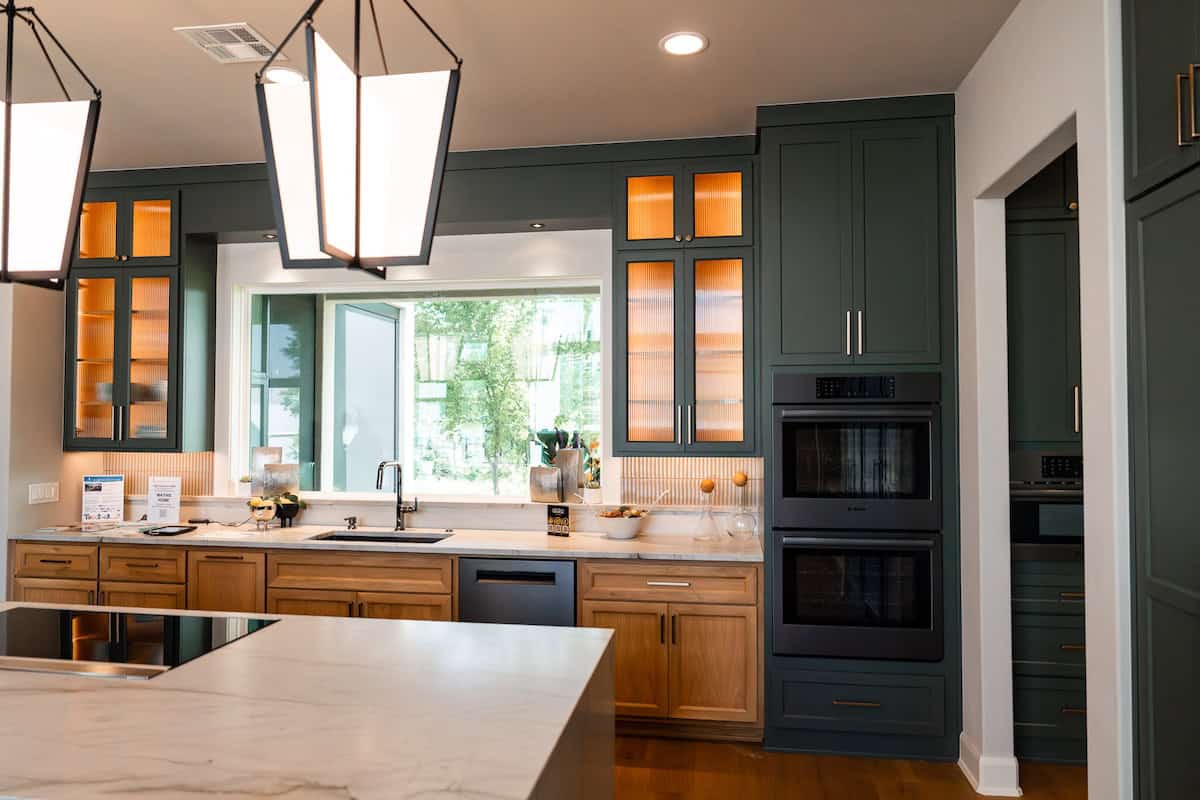
24 Feb How to Choose Cabinet Materials That Match Your Lifestyle and Budget
Choosing new cabinets is exciting. It’s also overwhelming. You walk into a showroom (or scroll online), and suddenly you’re hit with a dozen wood species, engineered cabinet materials, finish options, and price points. Solid wood? MDF? Plywood? What actually lasts? What’s worth the investment?
If you’re planning a kitchen, bathroom, or laundry room update, the truth is this: cabinet materials matter just as much as design. The right choice should match how you live and what you’re comfortable spending. Here’s how to break it down so you can make a confident decision for your home.
Start with Your Lifestyle, Not the Price Tag
Before comparing cabinet materials, ask yourself a few honest questions:
– Do you have young kids?
– Is your kitchen the busiest room in your house?
– Do you cook daily or occasionally?
– Are you planning to stay in this home long-term?
Your answers shape everything. If your home is high-traffic, durability should lead the conversation. If you’re remodeling before selling, you may prioritize cost-effective materials with strong visual appeal. If this is your forever home, investing in long-lasting construction makes sense.
Cabinets aren’t just furniture. They’re opened, closed, leaned on, wiped down, and sometimes slammed – every single day.
Understanding Cabinet Box Materials
The “box” is the structural body of your cabinet. It’s what holds everything together behind the doors. This is not the place to cut corners.
Plywood: Strong and Reliable
Plywood is one of the best materials for cabinet boxes. It’s made from layers of wood veneer glued together in alternating directions, which gives it excellent strength and resistance to warping.
Why homeowners love it:
– Durable and moisture-resistant
– Holds screws and hardware securely
– Long-lasting under heavy use
If you want cabinets that stand the test of time, plywood construction is a smart investment.
Particleboard: Budget-Friendly but Limited
Particleboard is made from compressed wood particles and resin. It’s often found in stock cabinets from big-box retailers.
Pros:
– Lower upfront cost
– Smooth surface for laminates
Cons:
– Susceptible to moisture damage
– Can sag under weight
– Doesn’t hold screws as well as plywood
If your budget is tight and the space won’t see heavy use, it may work. But for kitchens or bathrooms, durability becomes a concern.
Cabinet Door Materials: Where Style Meets Performance
Cabinet doors are what you see and touch the most. Their material affects both appearance and longevity.
Solid Wood: Classic and Timeless
Solid wood doors are strong, beautiful, and refinishable. Popular species include maple, oak, walnut, and white oak.
Benefits:
– Natural grain variation
– Durable with proper care
– Can be stained or painted
Wood does expand and contract slightly with humidity, so quality craftsmanship is key.
MDF (Medium-Density Fiberboard): Smooth and Stable
MDF is an engineered wood product known for its smooth surface, making it ideal for painted finishes.
Why people choose MDF:
– Resists warping
– Smooth finish for modern styles
– Cost-effective compared to solid wood
For homeowners who want painted cabinets with minimal grain texture, MDF can be an excellent option.
Choosing the Right Finish for Your Life
Material is only half the equation. The finish protects your cabinets from moisture, stains, heat, and everyday wear.
Water-Based, Baked-On Finishes
Modern water-based, baked-on finishes are a game-changer. They cure under controlled heat, creating a hard, durable coating that resists chipping and yellowing.
Benefits include:
– Low VOC (safer for families)
– Long-lasting color clarity
– Strong resistance to stains and scratches
If you cook frequently or have a busy household, a high-performance finish will protect your investment.
Matching Cabinet Materials to Your Budget
Now let’s talk numbers.
Budget-Conscious Approach
If you’re working within a tighter budget, here’s where you can balance quality and cost:
– MDF doors with plywood boxes
– Painted finishes instead of exotic wood stains
– Simple door profiles
This combination gives you durability where it matters most (the structure) while keeping decorative costs manageable.
Mid-Range Investment
For homeowners wanting a strong blend of longevity and style:
– Plywood cabinet boxes
– Solid wood doors (maple or oak)
– Water-based baked-on finishes
– Soft-close hinges and slide
This level offers excellent durability without stepping into luxury pricing.
Long-Term Premium Investment
If you’re designing your forever kitchen:
– Premium hardwood species
– Fully custom construction
– Reinforced drawer joinery (like dovetail joints)
– High-end hardware
This approach maximizes lifespan and home value.
Consider Moisture and Environmental Factors
Not all rooms are created equal.
Kitchens and bathrooms deal with steam, spills, and humidity. Laundry rooms experience heat and moisture fluctuations. In these spaces, plywood boxes and moisture-resistant finishes are critical.
If your cabinets are near a sink or dishwasher, investing in cabinet materials that resist swelling and warping will save you money long-term.
Don’t Overlook Hardware and Joinery
Sometimes the “hidden” parts make the biggest difference.
– Dovetail drawer joints last longer than stapled construction.
– Soft-close hinges prevent wear from slamming.
– Full-extension drawer slides improve usability and reduce strain.
Cheap hardware can undermine high-quality cabinet materials. Strong construction supports daily use without loosening over time.
Think About Cabinet Materials Maintenance
Some materials require more upkeep than others. Solid wood may need occasional refinishing over decades. Painted MDF surfaces are easy to wipe down but can chip if hit hard. High-quality finishes reduce maintenance dramatically.
Ask yourself: Do I want something low-maintenance? Or am I okay with occasional touch-ups? There’s no wrong answer – only what fits your lifestyle.
Resale Value vs. Personal Enjoyment
Are you remodeling for resale or personal enjoyment? If resale is your goal, neutral finishes, durable construction, and timeless wood species tend to appeal to buyers.
If this is your long-term home, prioritize what makes you happy. Deep stains, custom storage, unique textures – this is your space. Well-built cabinets almost always increase perceived home value, especially when materials are clearly high quality.
Custom vs. Stock: A Material Conversation
Stock cabinets often limit your material options. You’re choosing from pre-selected combinations.
Custom cabinetry gives you control over:
– Wood species
– Box construction
– Finish type
– Hardware quality
When you work with a custom cabinet maker, you’re not just choosing materials—you’re choosing how those materials are assembled and finished. That level of control allows you to tailor durability and budget together instead of sacrificing one for the other.
Custom cabinets also allow you to select higher-grade plywood boxes instead of particle board, which significantly improves longevity and moisture resistance. You can request reinforced shelving for heavy cookware or small appliances, ensuring your cabinets function as beautifully as they look. With custom builds, finishes are often professionally sprayed and cured for a smoother, more durable surface that resists chipping and wear.
Questions to Ask Before Deciding on Cabinet Materials
Before committing, ask:
– What material are the cabinet boxes made from?
– Are the drawers dovetail-constructed?
– What type of finish is used?
– Is the finish sprayed and baked?
– What warranty is included?
You should also ask how the cabinets are assembled and installed, as proper installation plays a major role in long-term durability. Find out whether the shelves are adjustable and what weight capacity they can handle. Clarify what hardware is included and whether soft-close hinges and drawer slides are standard or an upgrade.
It’s wise to ask how the cabinets will perform in high-moisture areas like near the sink or dishwasher. Clear answers protect your investment and ensure you are choosing cabinetry that truly aligns with your lifestyle and expectations.
Ready to Build Cabinets That Fit Your Life?
Choosing cabinet materials isn’t just about price – it’s about how you live in your home every day. The right combination of structure, door material, and finish ensures your cabinets look beautiful and perform well for years to come.
At Ultimate Cabinets, we help homeowners choose materials that align with both their lifestyle and their budget. From durable plywood construction to water-based, baked-on finishes and custom wood selections, our team guides you through every step so you feel confident in your investment. If you’re ready to explore options tailored specifically to your home, we’d love to help you design cabinets that truly fit your life.

Sorry, the comment form is closed at this time.